

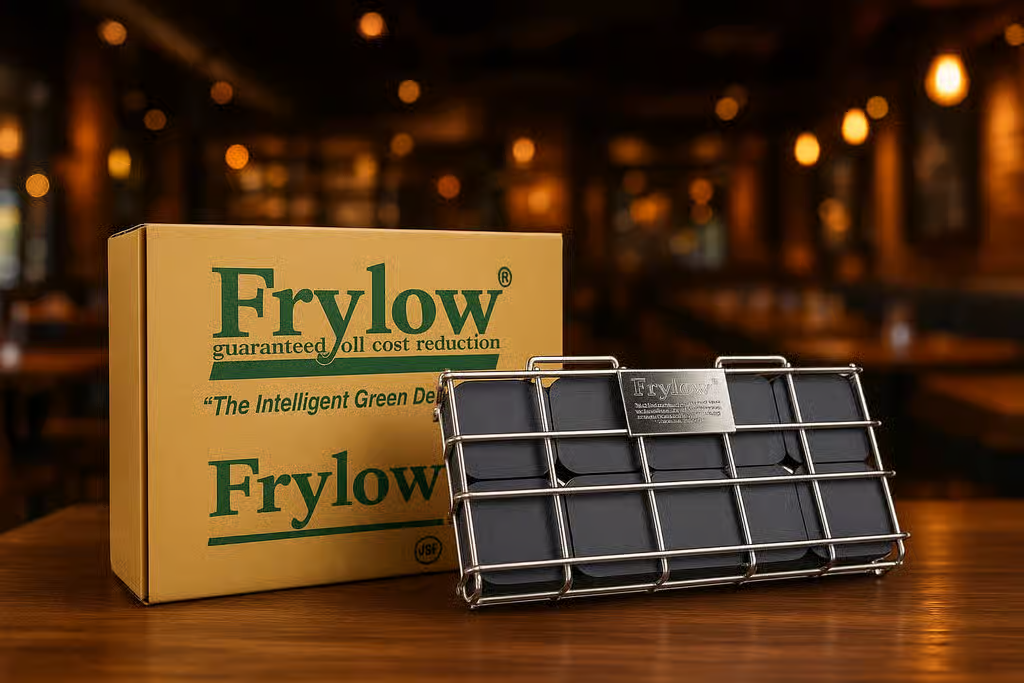
For years, fry oil filtration followed a familiar routine. Drain the oil, run it through a filter, wipe things down, and get back to service. For a long time, that was enough. Food costs were lower, customer expectations were simpler, and kitchens had more margin for error.
Today, that reality is gone. Oil prices are higher, labor is tighter, menus are more complex, and customers notice even small drops in food quality. In this environment, relying only on traditional filtration methods is no longer enough to protect your oil or your profits.
Modern kitchens are discovering that filtration alone solves only part of the problem. To stay competitive, oil needs to be managed more intelligently from start to finish.
Traditional Filtration Solves One Problem, Not All of Them
Basic filtration does an important job. It removes crumbs, carbon, and food particles that burn in the fryer and contaminate oil. Without filtration, oil degrades fast and food quality drops quickly.
But filtration does not address everything that breaks oil down. It cannot reverse damage caused by overheating. It does not fix oxidation from long idle times. It does not account for moisture, poor frying habits, or inconsistent temperatures.
In other words, traditional filtration cleans oil but does not actively protect it.
Kitchens Are Pushing Oil Harder Than Ever
Modern foodservice operations demand more from fry oil than ever before. Kitchens are running longer hours, cooking a wider variety of products, and juggling frozen, battered, and breaded items in the same fryers.
Each of these factors increases stress on oil. Frozen foods introduce moisture. Sugary batters accelerate browning and breakdown. Long service hours mean oil spends more time at high temperatures.
When oil is pushed this hard, filtering it once a day simply cannot keep up.
Filtration Timing Is Often the Weakest Link
One of the biggest issues with traditional filtration is inconsistency. Even when kitchens have filters, they are not always used at the right time or often enough.
Busy shifts get in the way. Staff skip filtration to save time. Oil goes too long between cleanings, allowing contaminants to burn and permanently damage it.
This is why many operators are moving toward smarter, more automated fryer oil management tools that reduce reliance on perfect human timing and habits. When systems support staff instead of depending on them, results improve dramatically.
Heat Management Matters More Than Filtration
Excessive heat is one of the fastest ways to destroy fry oil, and filtration does nothing to stop it. Running oil even slightly above recommended temperatures accelerates chemical breakdown and shortens oil life.
Traditional setups often rely on manual thermostat settings that drift over time. A fryer that reads 175°C may actually be operating much hotter. Over a full day of service, that difference can cost hours of oil life.
Modern solutions focus on precise temperature control and smart standby modes that reduce heat stress when fryers are idle.
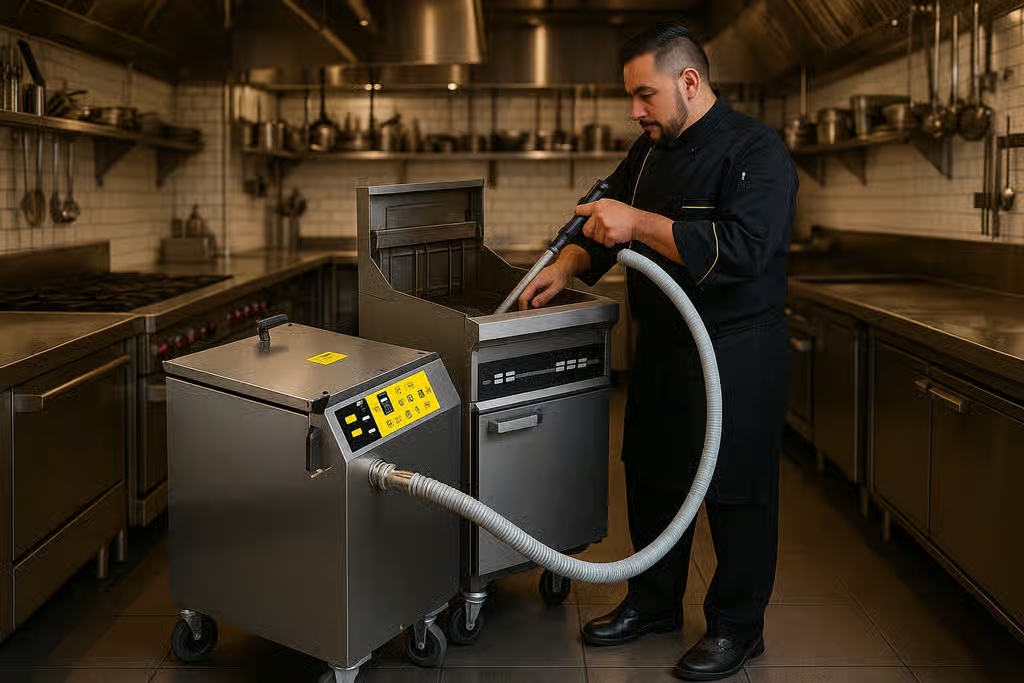
Oil Degrades Even When You Are Not Cooking
Another limitation of traditional filtration is that it only happens during active maintenance. Oil continues to oxidize whenever it sits hot and unused, especially during slow periods or overnight holding.
This silent degradation adds up. By the time oil is filtered again, some of the damage is already permanent.
Advanced systems monitor usage patterns and help kitchens reduce unnecessary heat exposure. This is one of the most effective ways to save fry oil without changing menus or ingredients.
Filtration Does Not Measure Oil Quality
Most traditional filtration programs rely on visual checks and fixed schedules. Oil is changed because it looks dark or because it is Tuesday.
The problem is that oil condition does not always match appearance. Some oils darken quickly but remain usable. Others look fine while producing off-flavors and smoke.
Modern oil management focuses on actual oil condition, using data instead of guesswork. Measuring free fatty acids or total polar materials allows kitchens to change oil only when necessary, not too early and not too late.
Staff Habits Still Make or Break Oil Life
Even the best filtration system cannot protect oil from poor frying habits. Overloading baskets, frying wet products, or letting crumbs accumulate in the fryer all speed up oil breakdown.
Traditional filtration assumes staff will follow best practices consistently. In reality, turnover, time pressure, and training gaps make that difficult.
Newer approaches reduce dependence on perfect behavior. Clear alerts, guided processes, and built-in safeguards help teams do the right thing even during rush periods.
Sustainability Pressures Are Raising the Bar
Waste reduction is no longer optional. Many operators face sustainability targets from corporate leadership, regulators, or customers themselves.
Using filtration alone often results in oil being discarded earlier than necessary. That increases waste volumes and disposal costs.
Smarter oil management systems extend usable life, reduce disposal frequency, and make recycling programs more efficient. These benefits improve both environmental performance and operating costs at the same time.
Multi Location Operations Need Consistency
Traditional filtration depends heavily on local discipline. One kitchen may filter perfectly while another cuts corners. For multi unit operations, this inconsistency creates uneven food quality and unpredictable oil costs.
Modern oil management tools provide visibility across locations. Managers can see which kitchens are overusing oil, skipping filtration, or running fryers too hot. That insight allows targeted training and faster corrections.
Consistency is one of the biggest advantages of moving beyond basic filtration.
Filtration Is Still Important, Just Not Enough
None of this means filtration is outdated. Filtration remains a critical part of any fry oil program. The difference is that it now needs to be part of a broader system.
The most successful kitchens combine filtration with temperature control, oil monitoring, staff guidance, and preventive maintenance. Each element supports the others.
When oil is managed as a system instead of a task, costs drop and quality rises.
The New Standard for Fry Oil Care
The future of commercial frying is proactive, not reactive. Instead of fixing oil after it degrades, modern kitchens work to prevent degradation in the first place.
That shift requires better tools, better data, and better processes than traditional filtration alone can provide.
As margins tighten and expectations rise, the question is no longer whether basic filtration works. It is whether it is enough for the demands of today’s kitchens.
For most operations, the answer is clear.